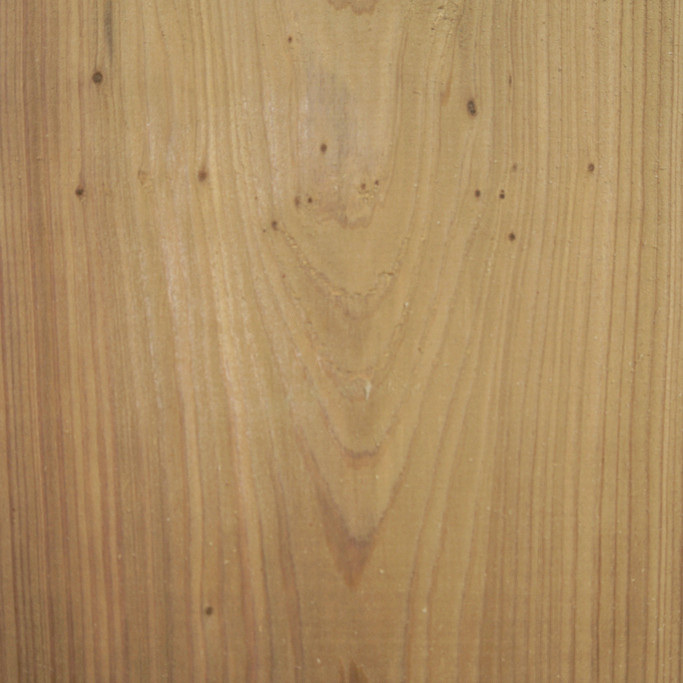
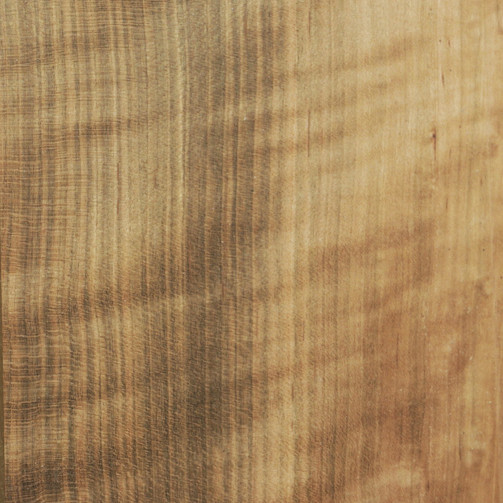
Tateyama sugi — Japanese cedar
Flexible and resilient wood grown at the foot of the Tateyama mountains.


KAMIICHI · TOYAMA · JAPAN
Ride with Japanese wood. Care for the equipment you love. Make your own skis or snowboard with HappyTune.
Based in Kamiichi, Toyama, HappyTune brings together ski and snowboard tuning, repairs and hands-on board building, guided by owner Shingo Ihara’s 30 years in winter sports.
Tuning & prices · Build your own board · Visit & contact · FAQ
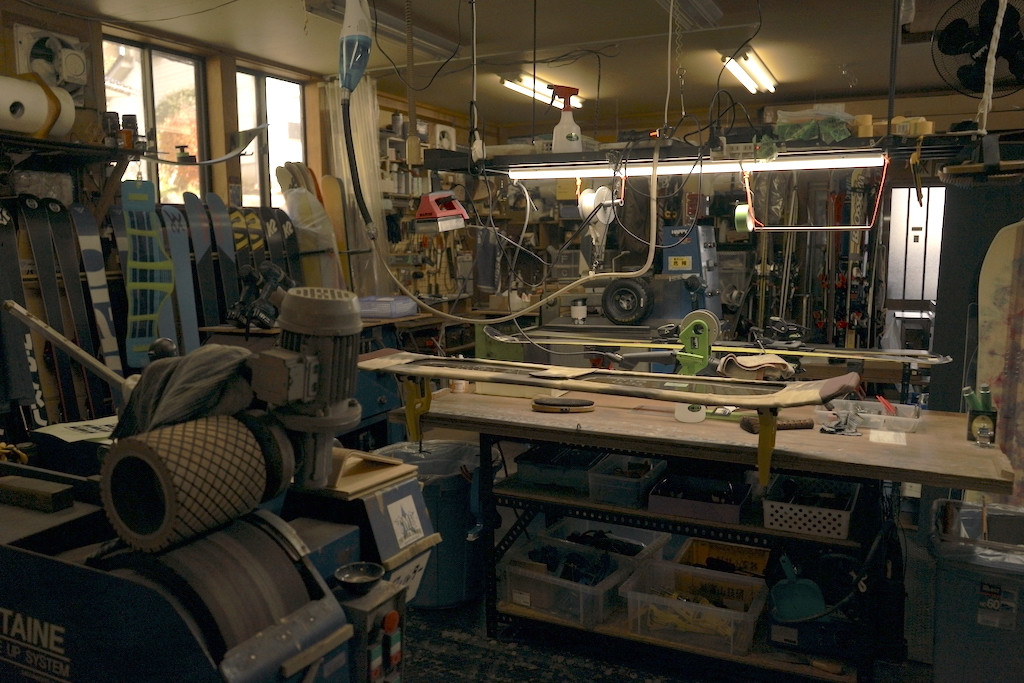
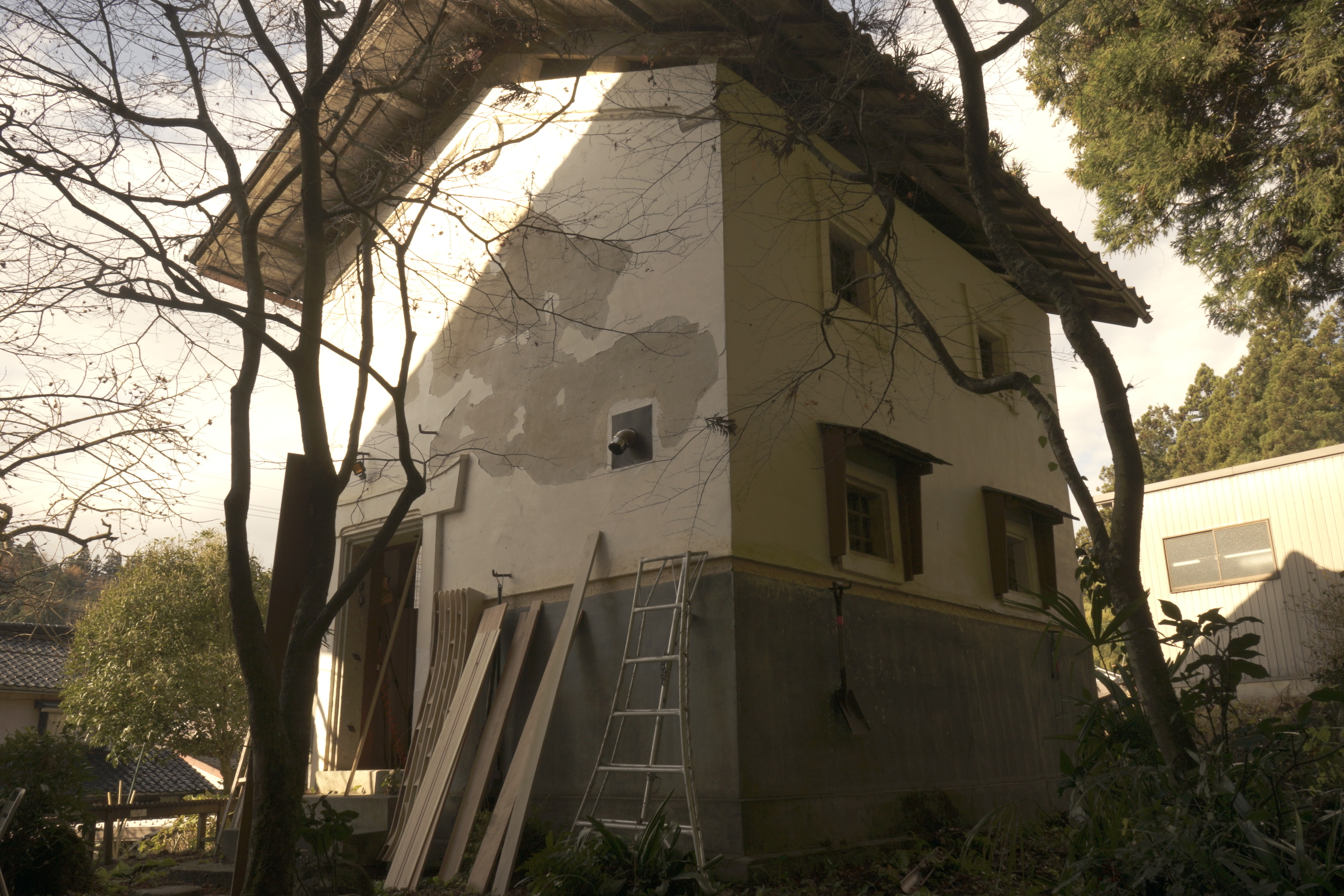
HappyTune is an independent ski and snowboard tuning and board-building workshop in Kamiichi, Toyama, Japan. Our idea is simple: ride with Japanese wood, and experience the craft behind your equipment. The workshop occupies a renovated family barn and traditional storehouse. Purpose-built jigs and practical tools let you experience the process of making your own skis or snowboard.
Shingo Ihara grew up surrounded by the nature of Toyama and developed a passion for skiing and DIY. He founded HappyTune in 2009, drawn to the skilled handwork involved in tuning skis and snowboards. In 2020, he began building boards using Japanese wood. With 30 years of experience in the winter sports industry, he continues to develop jigs and methods that make serious board building possible in a garage workshop.
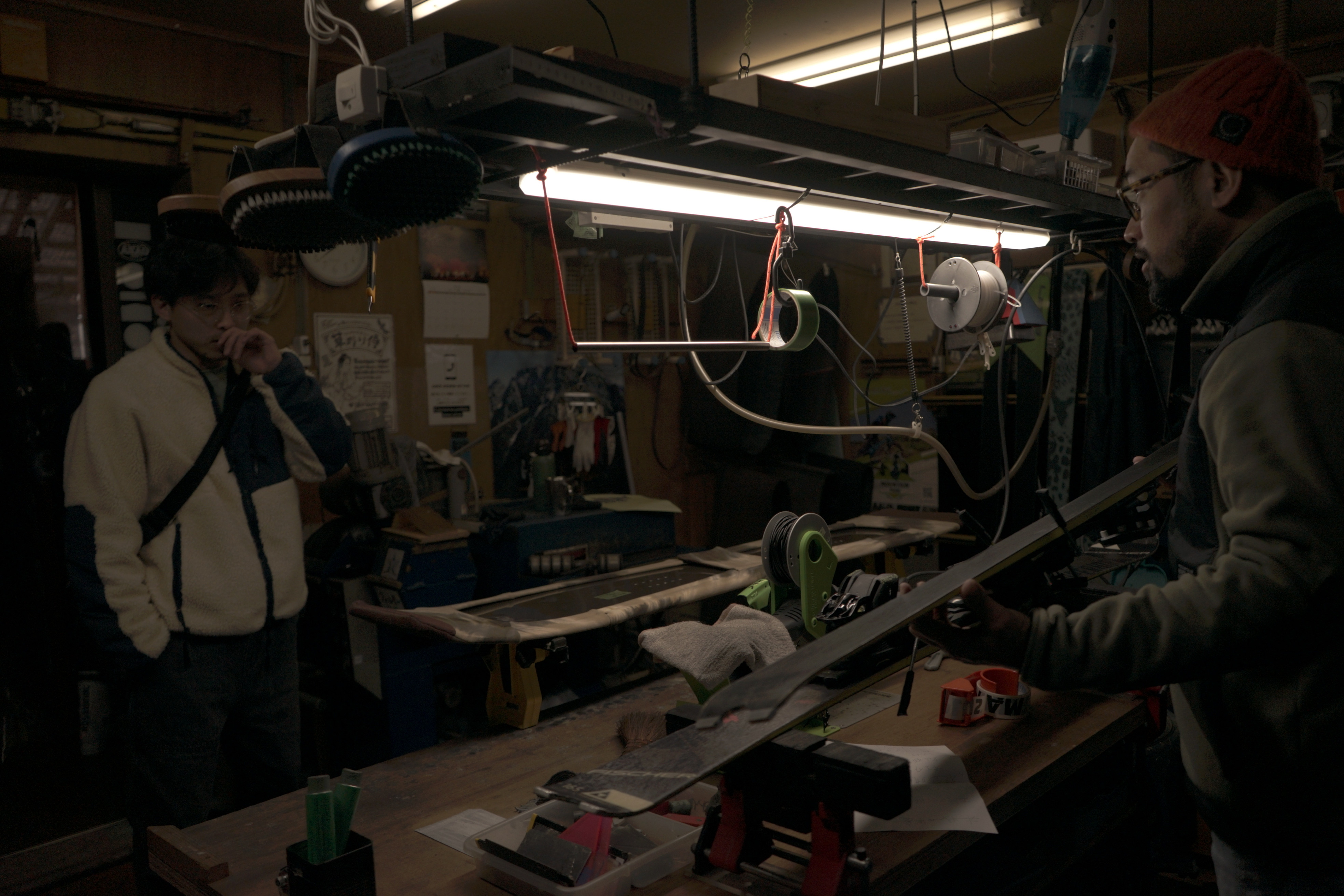
Our motto is to help create happy moments on snow. We combine 30 years of tuning experience with a board builder’s understanding of equipment, tailoring the finish to the rider and the board. Contact us before bringing or shipping equipment. For customers farther away, we can inspect the equipment and discuss the work by email.
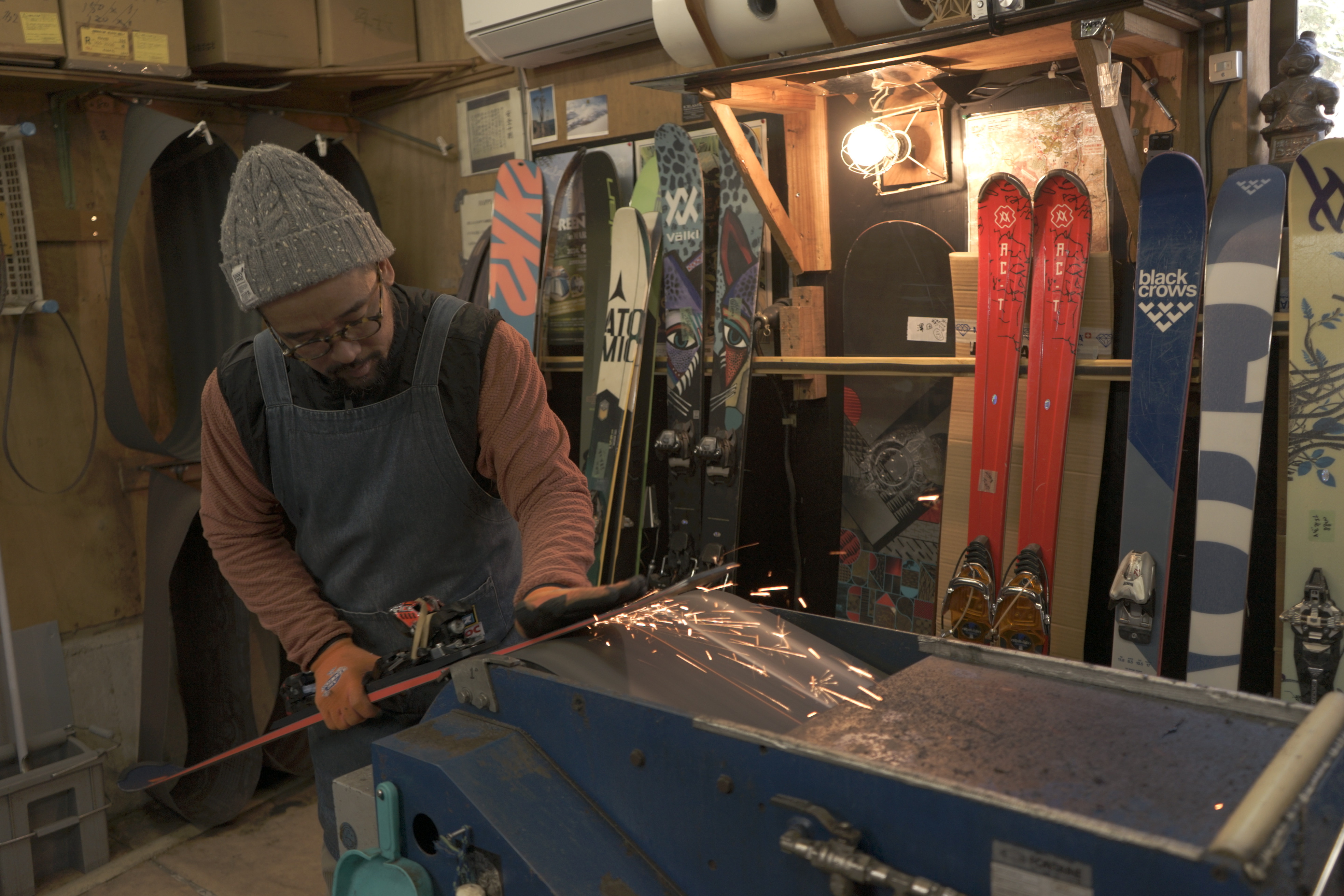
Base grinding: we carefully sand the running surface in up to six stages. Skis are generally ground flat, while snowboard grinding preserves the intended base shape, including convex and 3D bases. Shallow scratches may be reduced. Base repair: scratches that remain after grinding are filled; extensive damage or deep scratches reaching the core may require an additional charge. Machine edge tuning follows the board’s existing or intended angles; custom edge angles are not available with the standard machine finish. Waxing and finishing prepare the equipment for riding. Rust prevention and protective packaging help keep moisture out during storage.
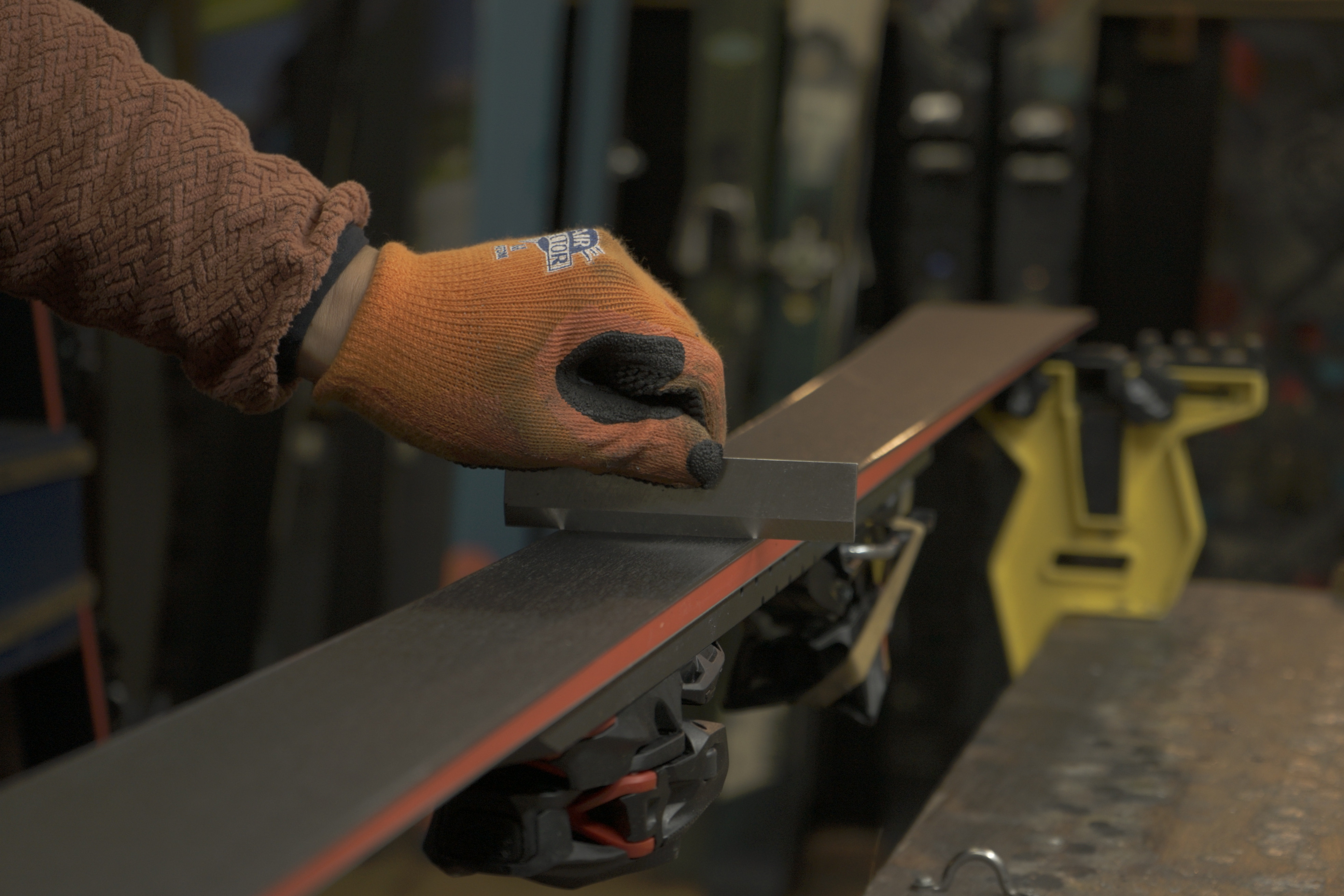
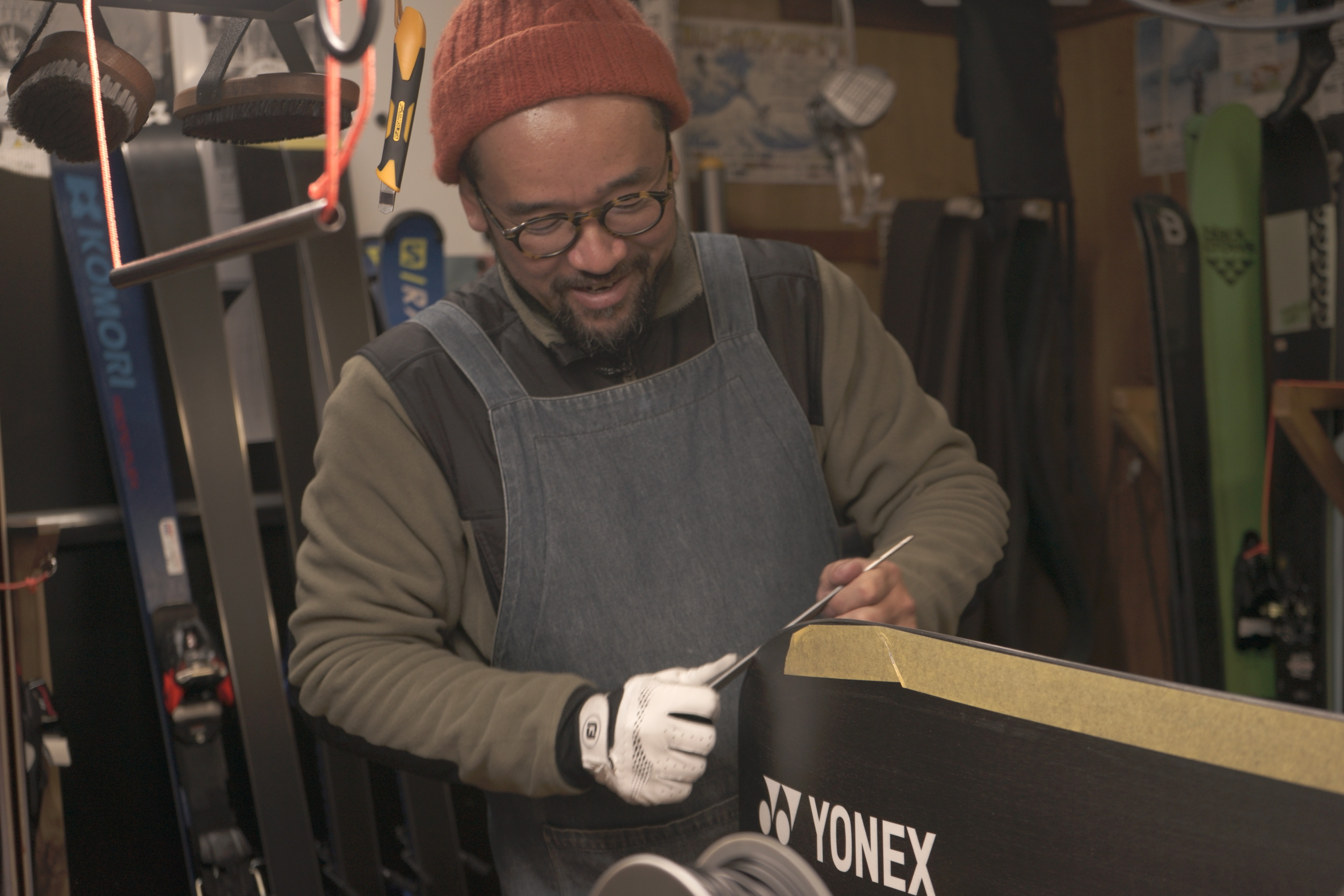
The optional PRO EDGE service allows custom angle settings and detailed adjustment. Base edges are finished by hand, with variable beveling suited to the board. Side edges are finished with ceramic equipment or files to achieve an even, durable edge. This service is intended to improve handling and edge grip, including on hard snow.
Examples of additional charges: wide skis ¥1,100; 3D bases from ¥2,200; channel or concave bases ¥5,500 when grinding is required; splitboards, snowscoot and snowbike boards ¥2,200. Major ski-base flattening may cost approximately ¥1,100–¥3,300. Swallowtail edge work is ¥1,100, or ¥3,300 for rounded inner-corner work when requested. Large snowboards may also require a surcharge; please ask for a quote.
We offer repairs to topsheets, edges, bases and insert holes, along with ski and snowboard binding inserts and fish-scale (stepped) base modifications. Please send photographs of the damage through the contact form so we can propose an estimated price and lead time. Repairs generally need to be booked together with a full tune; an exception may apply when another board is being tuned at the same time. Repairs may not be available during the busy October–December period.
Topsheet delamination from ¥3,000; edge delamination from ¥4,000; edge replacement from ¥8,000; base delamination from ¥4,000; insert-hole repair from ¥1,000. Ski binding inserts start at ¥1,000 per hole including insert material (¥800 with customer-supplied inserts). Snowboard inserts have a ¥3,000 basic charge plus ¥1,000 per hole. Fish-scale base machining starts at ¥10,000 for four rows, with ¥1,000 per extra row, plus tuning.
Lead time for fish-scale modification is at least one month; it is not accepted in November or December. Extra charges for binding removal, mounting or other work may apply. Please confirm the total price and suitability before booking.
These services involve repairs or modifications not recommended by the manufacturer. Incorrect binding mounting or release settings can cause serious accidents. Thin cores and bases may limit suitability; inserts can affect the base surface. Do not use a powered screwdriver to tighten newly installed snowboard inserts. Please read all conditions on the Japanese repair page before ordering.
If there is a problem with our work, we will provide corrective work without charge where possible, but we do not offer refunds or compensation. The customer pays all return shipping costs for claims. The published policy states that use is entirely at the customer’s own risk and that HappyTune accepts no liability for accidents or injuries, including where there is an error in the work. Please do not order if you cannot accept these conditions.
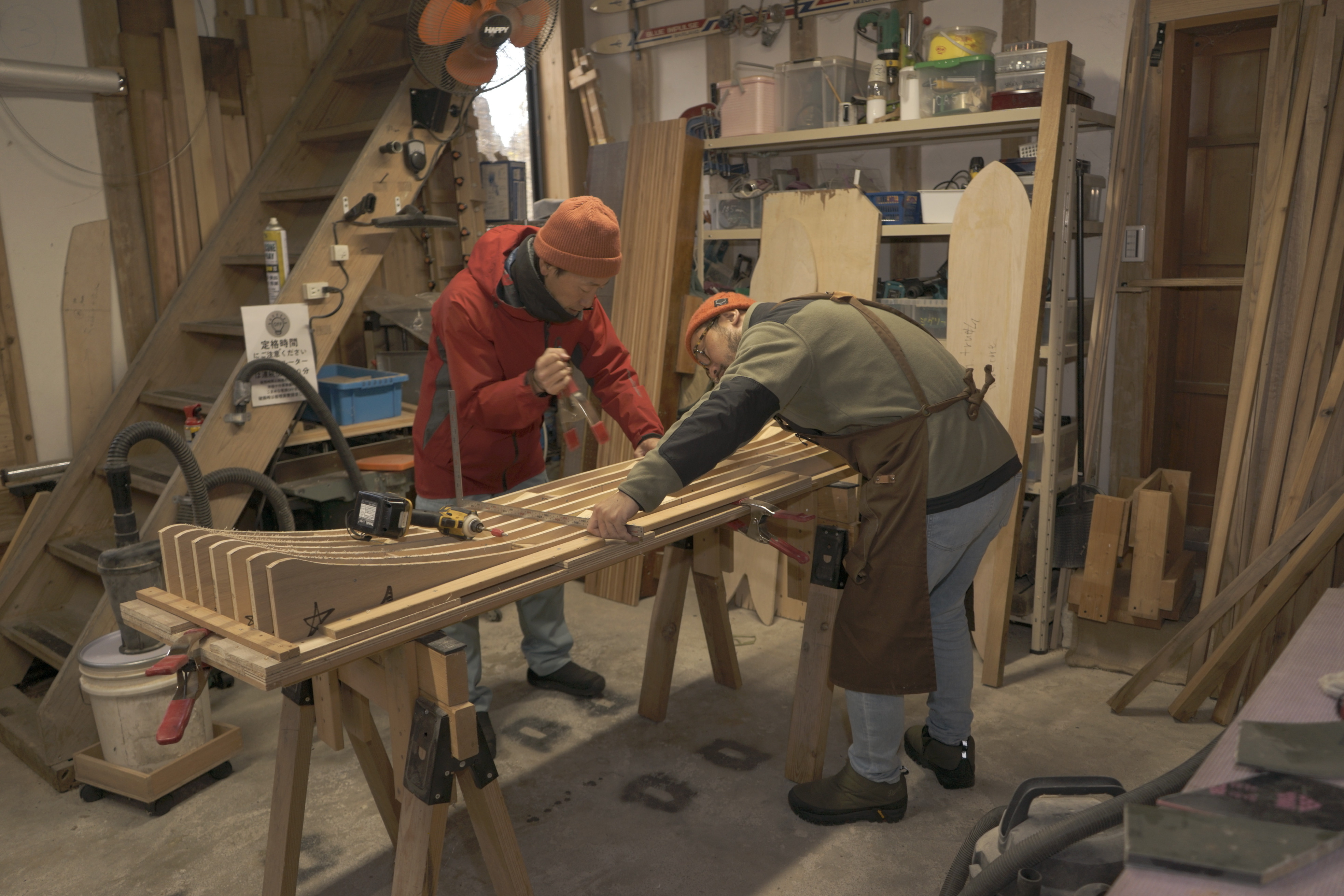
Make equipment that is truly your own, using Japanese wood and one-to-one guidance from the owner. Choose materials, build the core, shape and bond the components, and finish the board. The experience connects you with Japanese woodworking, nature and mountain culture. Every rider has a different style; building your own equipment lets you explore a design that reflects yours.
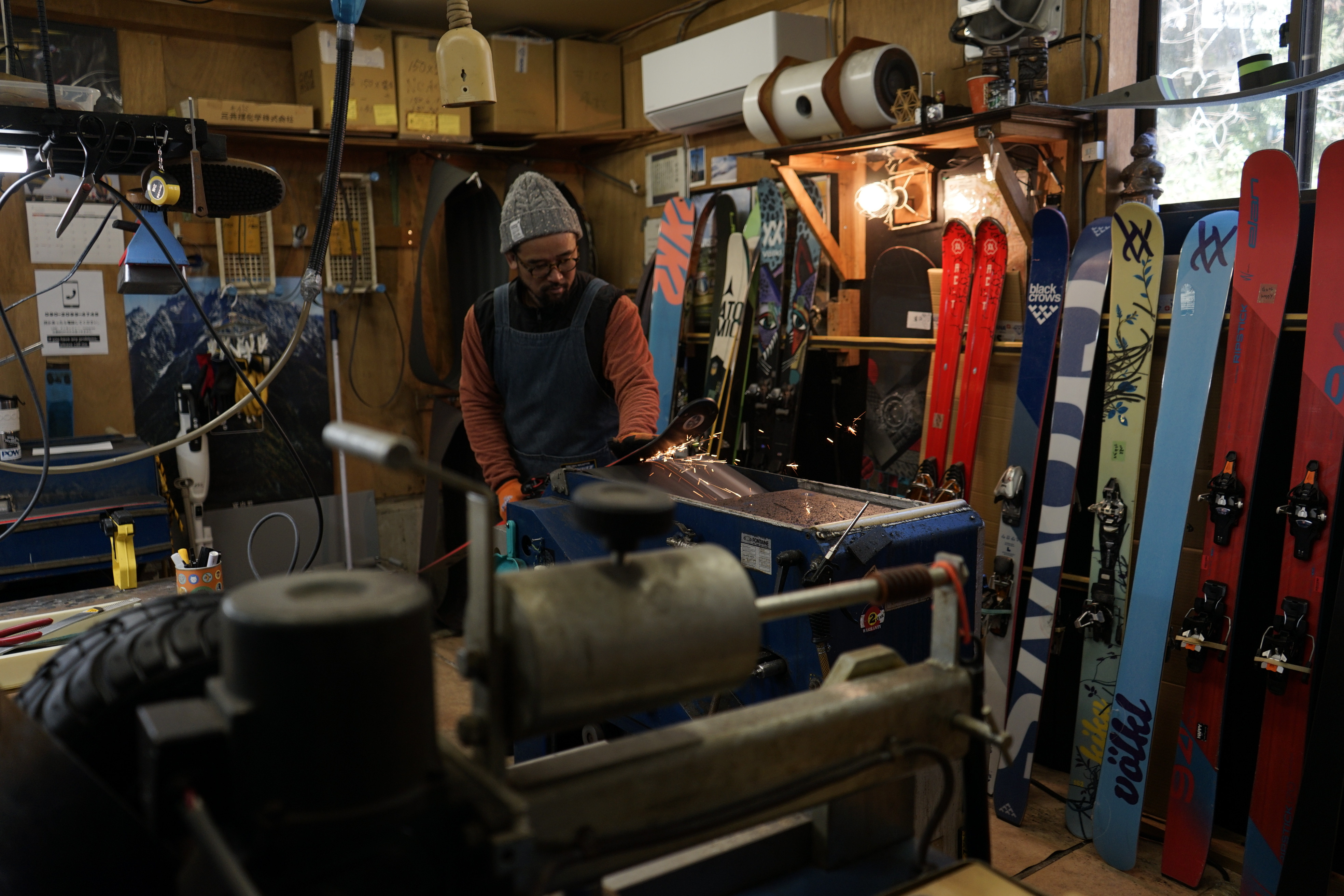
The process covers design and consultation, wood-core construction, base and edge preparation, then bonding and finishing. Design meetings and work using portable DIY tools can also take place at the Hakuba–Omachi workshop. Work involving wood or machinery that is difficult to transport takes place in Toyama. Please contact us to discuss dates, location and the equipment you want to build.
All workshop prices below exclude consumption tax.
Materials for one set of equipment, use of tools and the workshop, instruction, finishing tune-up and domestic shipping within Japan (remote islands require consultation). Accommodation, meals, work clothing, insurance and ski-binding mounting are not included. All courses allow original graphics. The Omakase course has a fixed fiberglass choice unless an additional fee is paid; the Kodawari and Kojirase courses allow fiberglass selection and the use of carbon or metal.
Skis and snowboards have the same course price. Skis may take another 1–2 days depending on construction, without an additional course fee. Splitboards add ¥20,000 and about two days. Snowscoot and snowbike boards add ¥40,000 and about 2–3 days. Snowskates, short skis and boards made by children of elementary-school age or younger receive a ¥30,000 discount. Two participants attending on the same dates each receive ¥10,000 off. Returning participants receive a ¥30,000–¥50,000 discount depending on the course. Additional equipment using the same mold during the build period in the same year is listed at ¥100,000 per board.
Complete workshop pricing (Japanese) · Workshop price sheet (Japanese PDF)
We select wood together, mainly from Toyama’s mountain forests and from the owner’s personal stock. HappyTune works with sawmills in Toyama, paying close attention to selection, drying and milling. Carefully assembled laminated wood becomes the core of your board.
Flexible and resilient wood grown at the foot of the Tateyama mountains.
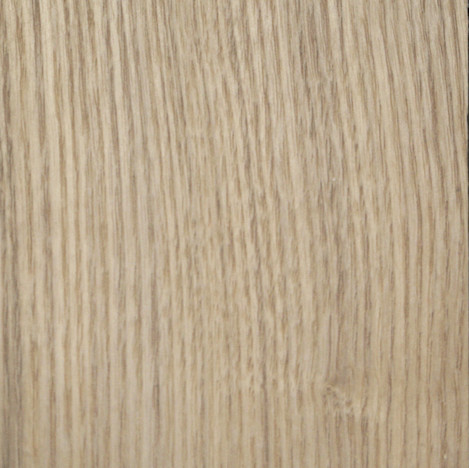
Strong rebound and distinctive grain from the forests of western Toyama.
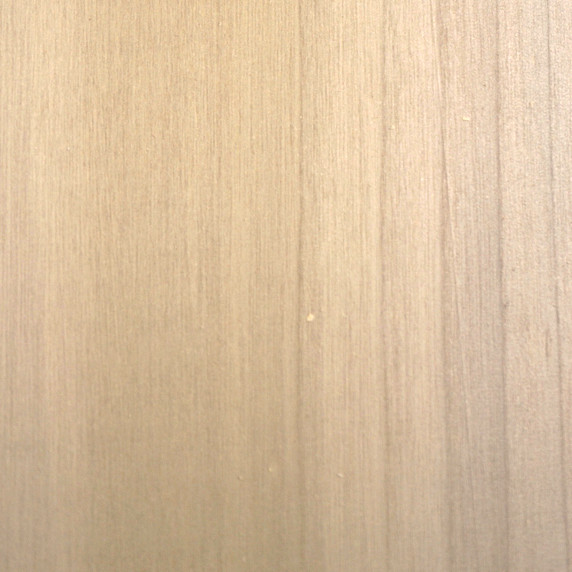
Smooth-textured, flexible wood with a restrained character.
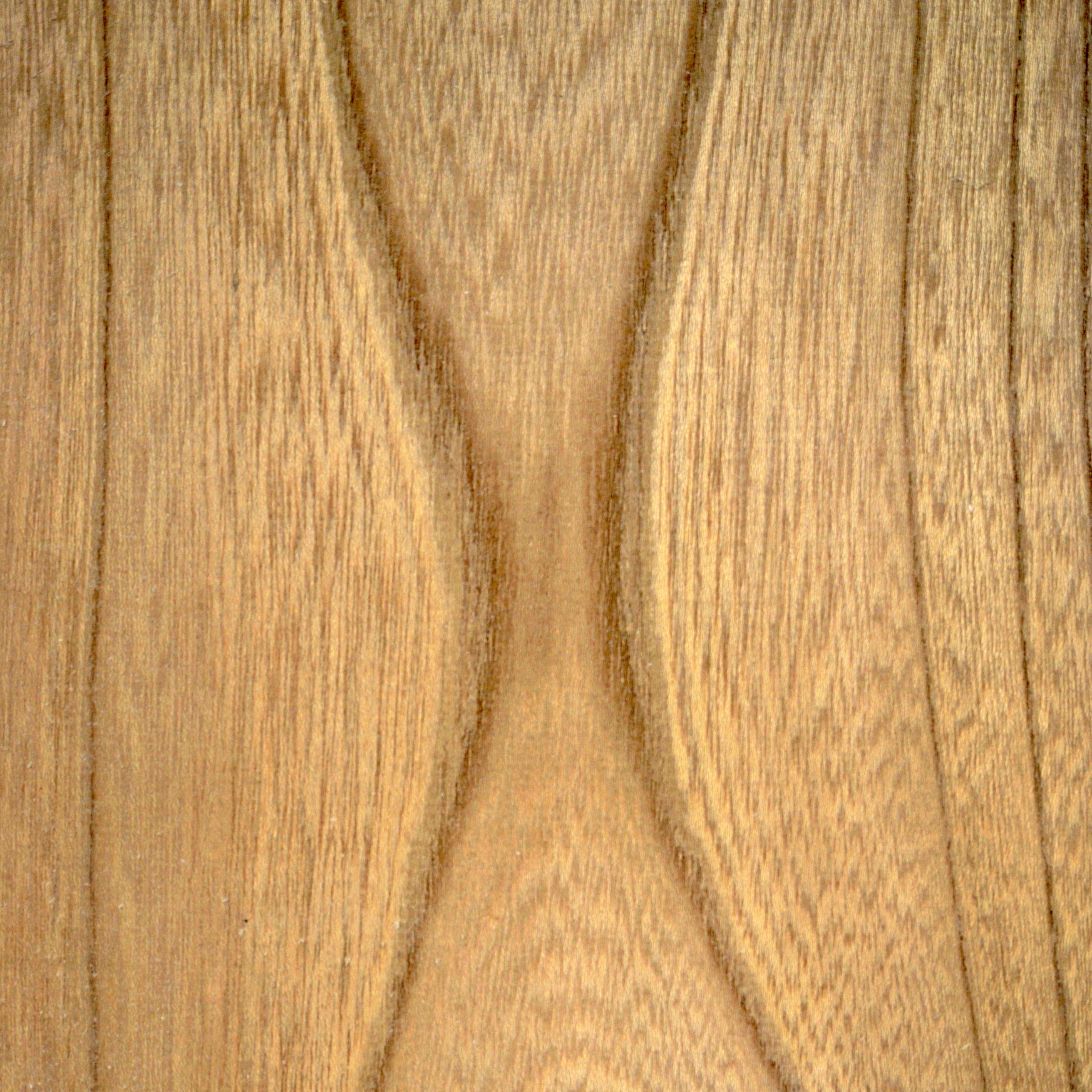
Strong, substantial wood traditionally used in Japanese temples and shrines.
A balance of strength and flexibility, with the character of one of Japan’s best-known trees.
Address: 578 Kurokawa, Kamiichi-machi, Nakaniikawa-gun, Toyama, Japan. Nearest station: Kamiichi Station on the Toyama Chiho Railway. By car: approximately 6 minutes from Namerikawa Interchange or 14 minutes from Tateyama Interchange on the Hokuriku Expressway. Parking is available for two cars. This is a working workshop rather than a retail shop. Please contact us before visiting, as the owner may be away even during the main September–January season.
Find HappyTune on Google Maps · Access information (Japanese)
Kamiichi lies at the foot of Mount Tsurugi, with clear springs, temples and mountain scenery. Nearby places introduced on our Japanese site include Anantan spring, Ryusenji Temple in Sakka, Oiwasan Nissekiji Temple and the Oiwa Sengankei gorge. The metate guesthouse in Kamiichi is another option for workshop visitors; HappyTune also provides transfers to this guesthouse during board-building workshops. Restaurants, convenience stores, a supermarket and hot springs are within walking distance of the guesthouse. Contact us to discuss arrangements.
HappyTune is in Kamiichi, Toyama Prefecture, Japan, at 578 Kurokawa, Kamiichi-machi, Nakaniikawa-gun. Please contact us before visiting.
Yes. HappyTune offers guided workshops using Japanese wood. Courses range from an artisan-guided build to a fully custom build and a course for setting up your own garage workshop.
The published courses start at 4 days, 6 days, 8 days and 10 days. Ski construction may need another 1–2 days depending on the structure. Splitboards and snowscoot or snowbike boards also need additional time.
A full tune starts at ¥7,700. PRO EDGE is a ¥3,300 option and HOT WAX BASE MAKE starts at ¥3,300. Board size, base shape, condition and additional work can affect the total.
HappyTune accepts requests from customers farther away and can discuss the finish by email after inspecting the equipment. Contact us before shipping to confirm the work and arrangements.
Yes. HappyTune is a workshop, not a staffed retail shop. The owner may be away when no work is scheduled, so please arrange your visit in advance.
To ask about tuning, repairs, a board-building course or a visit, use our contact form. Include your equipment, the work or experience you are interested in, your preferred dates and any photographs that help explain your request.
HappyTune on Instagram · Workshop blog (Japanese)
This English page is based on the Japanese service pages. Prices, availability and the final scope of work should be confirmed with HappyTune before booking. Workshop prices are stated before consumption tax.